

Connected devices technology is transforming the way we live, work, and interact with the digital world. From smart homes to wearable gadgets, this technology links devices to the internet and to each other, creating a seamless network that enhances convenience and efficiency. Whether you are a beginner curious about smart devices or an intermediate user looking to optimize your setup, understanding connected devices technology is essential. In simple terms, it allows devices to share data, respond automatically, and make everyday tasks easier without constant human input.
The rise of connected devices technology is fueled by faster internet speeds, affordable sensors, and smart software applications. Today, everything from refrigerators to thermostats and even medical devices can connect to the internet. This connectivity not only improves functionality but also opens opportunities for businesses, healthcare, education, and entertainment. By understanding how these devices work, you can make informed decisions, improve security, and maximize the benefits of a connected lifestyle.
In this guide, we will explore what connected devices technology is, why it is important, step-by-step usage instructions, benefits, risks, common mistakes, frequently asked questions, and expert tips to help you navigate this rapidly evolving field with confidence.
What is Connected Devices Technology?
Connected devices technology refers to the network of physical devices that communicate with each other through the internet. These devices are embedded with sensors, software, and network connectivity, allowing them to collect, exchange, and act on data. Common examples include smartphones, smartwatches, smart speakers, home appliances, and industrial machines.
Unlike traditional devices that operate independently, connected devices are part of a broader ecosystem. For instance, a smart thermostat can detect your presence, learn your schedule, and adjust home temperatures automatically while sending updates to your smartphone. This technology relies on the Internet of Things (IoT), cloud computing, and data analytics to function efficiently.
Connected devices technology is not limited to consumer products. It also plays a crucial role in industries such as healthcare, agriculture, logistics, and manufacturing. Devices can monitor patient vitals, track crop health, or manage supply chains in real time, demonstrating the versatility of this technology.
Why is Connected Devices Technology Important?
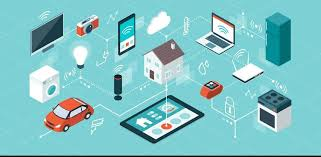
Connected devices technology is important because it brings convenience, efficiency, and intelligence to everyday life. Here are some key reasons why it matters:
- Enhanced Efficiency: Devices can perform tasks automatically without manual intervention, saving time and effort.
- Data-Driven Insights: Continuous data collection helps in making better decisions, from energy usage to health monitoring.
- Remote Access: Users can control devices from anywhere using mobile apps or web platforms.
- Improved Safety and Security: Smart sensors can detect hazards, notify users, and even take preventive actions.
- Cost Savings: Optimized energy use, predictive maintenance, and resource management reduce costs in homes and businesses.
Overall, connected devices technology is transforming traditional workflows and lifestyles, making interactions with technology smarter and more proactive.
Detailed Step-by-Step Guide
Step 1: Choose the Right Devices
Start by identifying your needs. Do you want smart home devices, wearable tech, or industrial tools? Look for devices that are compatible with your existing network and support future upgrades.
Step 2: Ensure Reliable Internet Connectivity
Connected devices rely heavily on stable internet connections. Invest in high-speed Wi-Fi or Ethernet options. Consider devices with dual-band support to reduce connectivity issues.
Step 3: Install and Configure Devices
Follow the manufacturer’s instructions carefully. Usually, this involves:
- Powering on the device
- Connecting it to your Wi-Fi network
- Setting up user accounts on companion apps
- Updating firmware for security and performance
Step 4: Customize Settings
Adjust device settings to suit your lifestyle. For smart homes, set schedules, automation rules, and notifications. For wearable tech, configure health tracking preferences and alerts.
Step 5: Integrate Devices into a Network
Use smart hubs or platforms like Google Home, Alexa, or Apple HomeKit to connect multiple devices. Integration allows devices to work together, such as lights turning on when motion is detected by a sensor.
Step 6: Monitor and Maintain Devices
Regular monitoring ensures optimal performance. Check app dashboards for device status, battery life, and software updates. Clean devices physically and update software to avoid glitches or security risks.
Step 7: Ensure Security
Set strong passwords, enable two-factor authentication, and keep devices on separate networks if possible. Regularly review connected devices to avoid unauthorized access.
Benefits of Connected Devices Technology
- Convenience: Automate daily tasks such as lighting, heating, and security.
- Health Monitoring: Wearables track heart rate, sleep, and activity levels.
- Energy Efficiency: Smart devices optimize energy usage, lowering bills.
- Remote Work Support: Office devices can be accessed and managed remotely.
- Predictive Maintenance: Industrial machines can signal issues before they fail.
- Enhanced Safety: Smart cameras, smoke detectors, and alarms improve security.
- Data Insights: Real-time data helps make informed decisions.
- Entertainment Integration: Streaming devices and smart speakers provide seamless media experiences.
Disadvantages / Risks
- Privacy Concerns: Devices collect personal data, which can be misused if unsecured.
- Cybersecurity Threats: Hacked devices can compromise networks.
- High Initial Costs: Some connected devices can be expensive to purchase and install.
- Compatibility Issues: Not all devices work well with different ecosystems.
- Overdependence: Excessive reliance on automation may reduce human skills or awareness.
- Technical Issues: Devices may malfunction or require frequent updates.
Common Mistakes to Avoid
- Ignoring Security: Failing to set strong passwords or update devices can lead to breaches.
- Buying Incompatible Devices: Check compatibility with your existing network and ecosystem.
- Overloading Network: Too many devices on a weak network can cause slowdowns or dropouts.
- Neglecting Maintenance: Ignoring firmware updates and physical cleaning reduces device lifespan.
- Skipping User Manuals: Not understanding device functions can result in poor usage.
- Assuming Privacy: Treat all connected devices as potentially vulnerable unless secured properly.
FAQs
1. How do connected devices communicate?
Connected devices communicate through the internet using Wi-Fi, Bluetooth, Zigbee, or other wireless protocols. They exchange data with each other or centralized servers for processing.
2. Are connected devices safe to use at home?
Yes, but safety depends on proper setup. Use strong passwords, keep software updated, and avoid default settings to minimize risks.
3. Can I use connected devices without Wi-Fi?
Some devices offer limited offline functionality, but most rely on internet connectivity for full features, updates, and remote access.
4. What is the difference between IoT and connected devices technology?
IoT is the broader concept of devices connected to the internet and each other, while connected devices technology refers specifically to the practical devices and their interaction in everyday use.
5. How much does it cost to set up connected devices?
Costs vary widely. A basic smart home setup may start at $100–$500, while industrial or advanced setups can go much higher. Consider ongoing costs like subscriptions and maintenance.
6. Can connected devices save money?
Yes, through energy efficiency, predictive maintenance, and automated management of resources. Smart thermostats and lighting systems often reduce utility bills significantly.
7. Are wearable devices part of connected devices technology?
Absolutely. Wearables like smartwatches, fitness trackers, and health monitors are prime examples of connected devices, sharing data with apps and cloud services.
8. How do businesses use connected devices technology?
Businesses use it for inventory management, predictive maintenance, customer analytics, remote monitoring, and enhancing operational efficiency.
Expert Tips & Bonus Points
- Start Small: Begin with one or two devices to understand how they work before expanding your ecosystem.
- Prioritize Security: Always update firmware, use strong passwords, and consider network segmentation.
- Check Compatibility: Ensure devices integrate with your preferred smart platforms.
- Use Automation Wisely: Set realistic schedules and rules to avoid unnecessary energy use or alerts.
- Monitor Data Usage: Connected devices can consume significant bandwidth; monitor regularly to avoid overages.
- Regular Maintenance: Clean sensors, replace batteries, and check connectivity periodically to prevent malfunctions.
- Stay Updated: Follow news about software updates, security patches, and new technologies to maximize benefits.
Conclusion
Connected devices technology is no longer just a futuristic concept—it is part of daily life. From smart homes to wearable devices and industrial applications, these devices enhance convenience, efficiency, and security. By understanding how connected devices work, beginners and intermediate users can make informed choices, maximize benefits, and avoid common pitfalls.
While there are risks like privacy concerns and cybersecurity threats, proper setup, regular maintenance, and security measures can minimize these challenges. The technology also opens doors to cost savings, improved health monitoring, and better decision-making through data insights.
Whether you want to automate your home, monitor your health, or improve business operations, connected devices technology offers practical solutions. With careful planning, security awareness, and smart integration, anyone can harness the power of connected devices to make life simpler, safer, and more efficient. Embracing this technology is not just about convenience; it’s about stepping into a smarter, more connected future.
