

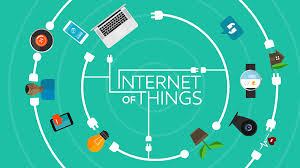
The world of technology is evolving faster than ever, and IoT devices are at the heart of this change. If you’ve ever wondered how smart homes, wearable devices, or connected gadgets actually work, this IoT devices guide will walk you through everything you need to know. From understanding the basics to exploring practical applications, this guide is crafted for beginners and intermediate users who want to make sense of the Internet of Things without getting lost in technical jargon. In simple terms, IoT devices connect everyday objects to the internet, enabling them to send, receive, and analyze data.
Whether it’s a smart devices like thermostat adjusting your home temperature automatically or a fitness tracker monitoring your heart rate, IoT devices are transforming how we live and work. This guide will help you understand the technology, explore its benefits, recognize potential risks, and learn how to use IoT devices safely and effectively. By the end of this article, you’ll have a clear roadmap to navigate the IoT landscape confidently.
What is IoT Devices Guide?
An IoT devices guide is essentially a roadmap for understanding, using, and managing IoT (Internet of Things) devices. IoT devices are everyday objects connected to the internet, allowing them to communicate with other devices and systems. Examples include smart lights, wearable health monitors, connected refrigerators, and even smart cars.
This guide focuses on explaining IoT devices in simple language. It covers how they work, their applications, and practical steps to implement them in your daily life or business. Unlike technical manuals, an IoT devices guide simplifies complex concepts, making it easier for beginners and intermediate users to grasp how these devices enhance efficiency, security, and convenience.
Why is IoT Devices Guide Important?

Understanding IoT devices is crucial in today’s connected world. These devices are no longer limited to tech enthusiasts—they are part of our daily lives. Here are some reasons why a proper IoT devices guide is essential:
- Simplifies Complexity: IoT technology can be confusing. A guide breaks down how devices work and interact.
- Improves Decision-Making: Knowing which devices suit your needs can save money and prevent technical issues.
- Enhances Security Awareness: IoT devices often store personal data. A guide helps you understand security measures.
- Boosts Productivity: From smart offices to automated homes, IoT devices can streamline tasks.
- Promotes Innovation: For businesses, understanding IoT devices opens opportunities for new services and products.
Detailed Step-by-Step Guide
Step 1: Identify Your Needs
Before purchasing IoT devices, determine what you want to achieve. Are you looking to automate your home, monitor health, or manage energy consumption? Listing your goals helps you choose devices wisely.
Example: If you want a smart home, you may need smart lights, smart plugs, and a central hub to control everything.
Step 2: Research Available Devices
Once you know your needs, research the market. Look for devices that match your requirements in terms of compatibility, features, and price. Read user reviews and check product specifications carefully.
Tip: Ensure the devices support standard protocols like Wi-Fi, Bluetooth, or Zigbee for better integration.
Step 3: Check Compatibility
IoT devices often work best when they can communicate with other devices. Verify if your chosen devices are compatible with your smartphone, home assistant, or other gadgets.
Step 4: Secure Your Devices
Security is critical. Change default passwords, enable encryption, and update firmware regularly. Many IoT devices have vulnerabilities, so proactive security measures are essential.
Step 5: Set Up and Connect Devices
Follow the manufacturer’s instructions to connect devices to your network. Many devices come with apps that guide you through setup and allow you to monitor and control them remotely.
Step 6: Automate Tasks
Once devices are connected, you can create automation rules. For example, set your thermostat to lower the temperature when you leave home, or schedule lights to turn on at sunset.
Step 7: Monitor and Maintain
Regularly check device performance, battery life, and firmware updates. Maintenance ensures devices function correctly and securely.
Benefits of IoT Devices Guide
- Convenience: Automates everyday tasks like lighting, heating, and security.
- Energy Efficiency: Smart devices help reduce electricity consumption.
- Health Monitoring: Wearable devices track heart rate, sleep, and activity levels.
- Cost Savings: Optimized energy use and maintenance reduce bills.
- Real-Time Data: Instant access to information for better decision-making.
- Improved Safety: Smart alarms, cameras, and sensors enhance security.
Disadvantages / Risks
- Privacy Concerns: Devices collect sensitive personal data that can be vulnerable.
- Security Risks: Poorly secured devices can be hacked.
- High Costs: Advanced IoT devices can be expensive upfront.
- Compatibility Issues: Devices from different brands may not integrate well.
- Technical Challenges: Setup and troubleshooting can be difficult for beginners.
Common Mistakes to Avoid
- Ignoring Security: Not changing default passwords or skipping updates.
- Buying Without Research: Choosing devices without checking compatibility.
- Overloading Devices: Connecting too many devices to one network can slow performance.
- Neglecting Maintenance: Failing to update firmware or monitor battery life.
- Skipping Automation: Not using full capabilities, missing out on convenience.
FAQs
1. What are IoT devices?
IoT devices are objects connected to the internet that can collect, send, and receive data. Examples include smart TVs, wearable fitness trackers, and home automation gadgets.
2. Do I need special knowledge to use IoT devices?
No. Many IoT devices are designed for beginners with simple apps and guides. However, understanding basic connectivity and security can improve your experience.
3. Are IoT devices safe?
IoT devices can be safe if proper security measures are taken, such as strong passwords, encryption, and regular updates. Always choose reputable brands.
4. Can IoT devices work without the internet?
Some devices have limited offline functionality, but most require an internet connection to fully operate, especially for remote monitoring and automation.
5. How do IoT devices communicate?
They use protocols like Wi-Fi, Bluetooth, Zigbee, and LTE to exchange data with other devices, apps, or cloud platforms.
6. What is the future of IoT devices?
IoT devices are expected to expand in smart homes, healthcare, agriculture, and industrial automation, making daily life more efficient and connected.
7. How can businesses benefit from IoT devices?
Businesses can track inventory, monitor equipment, optimize energy use, and improve customer experiences using connected devices.
8. Are IoT devices expensive?
Costs vary. Some basic devices are affordable, while advanced smart home systems or industrial IoT solutions can be costly. Balancing features and price is key.
Expert Tips & Bonus Points
- Start Small: Begin with one or two devices before expanding your network.
- Prioritize Security: Regularly update firmware and use strong passwords.
- Check Reviews: Real user experiences help identify reliable devices.
- Use Automation Wisely: Set realistic automation rules to simplify tasks.
- Explore Integrations: Connect devices to smart assistants for a seamless experience.
- Plan for Upgrades: Technology evolves, so choose devices that can be updated or expanded.
Conclusion
IoT devices are reshaping the way we interact with our surroundings, from smart homes to wearable gadgets. This IoT devices guide provides a roadmap for beginners and intermediate users to understand, implement, and maintain these devices effectively. By following the step-by-step guide, you can identify the right devices, secure them properly, and make the most of automation features to simplify daily life.
While IoT devices offer numerous benefits like convenience, energy efficiency, and improved health monitoring, it’s important to be aware of potential risks such as privacy issues and technical challenges. Avoid common mistakes like neglecting security or overloading your network to ensure a smooth experience.
With careful planning, ongoing maintenance, and awareness of best practices, IoT devices can enhance both personal and professional life significantly. Embrace the technology wisely, and it will open a world of possibilities, making your life smarter, safer, and more connected.
